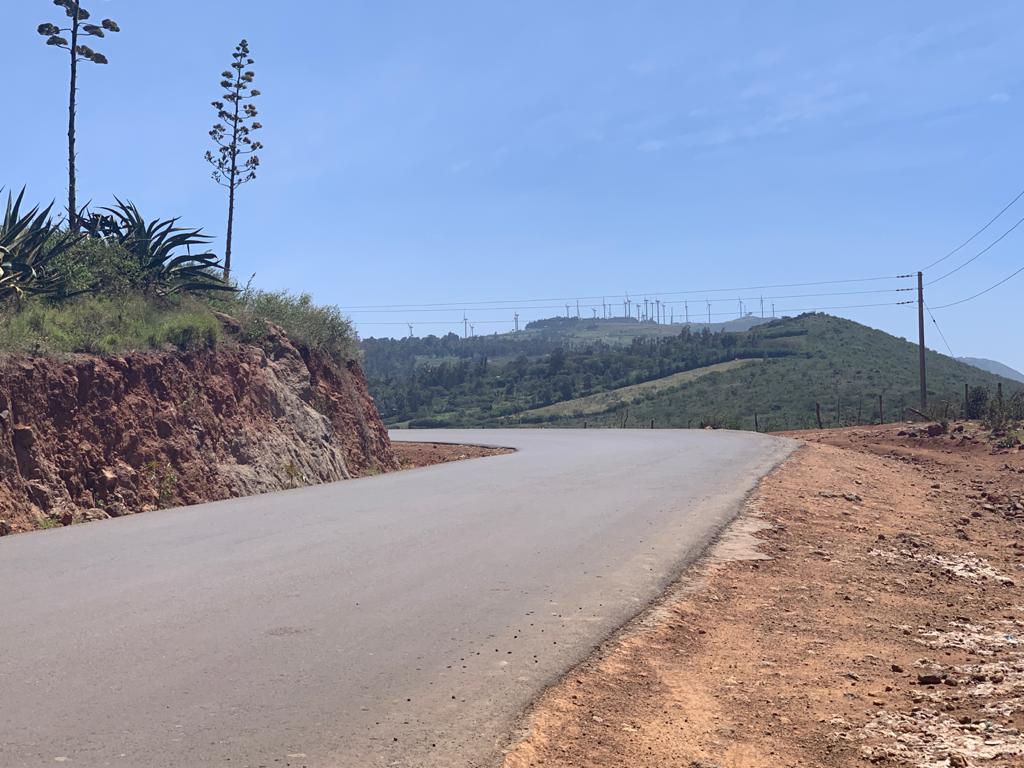
Hang on to your hat. Hang on to your hope. And wind the clock, for tomorrow is another day. – E.B. White, Letter to Mr. Nadeau
I have been recently wondering, if this year is much like last year, what’s my coping plan? Another January has ended and we continue the march on into 2021. Unfortunately, the stroke of midnight on the 31st did not bring an end to this pandemic and the vaccines have not been a magic bullet (they were never meant to be, but we still held hope right?) So I find myself asking, if we find ourselves again in and out of lockdowns, still working from home and sheltered away from friends, how will I fair this time round. It takes an assessment of last year to see that the keep going mentality was starting to wane. With no respite, what’s the thing to hold on to this year.
This isn’t meant to be a negative post reminding us/me the state of affairs, but a search for the underpinning of my hope because I do have hope. Some days it’s the size of a mustard seed and some days we are rocking this shit. Anyway I digress, last year, like many my mentality was based on the fact that this was just a passing crisis. We would all sigh in relief when it was wrapped up in a few months and we could get back to “normal”. February 2021 and the light at the end of the tunnel isn’t yet clear. So here I am pondering on what is to be and who I should be in preparation.
In these unprecedented times, it is human nature to reach into history for guidance. We have seen comparisons against the Spanish flu, the wars of ’14 and ’39 and the list goes on. From those times, we are supposed to find similarities which inspire us to keep going. Others have been somewhere like this before; they made it through and so shall we. We may have rediscovered the community spirit of days of old (be it rosy retrospection) and have a deeper appreciation for the roaring twenties (my post-Covid style will be Jessica Pearson meets the flapper).
Personally, when I have needed to dig deeper to keep going, I have reached out for comfort in old letters of note and in the writings of monks. At some point, I realised my life was starting to resemble a monastic life. Something about staring at the same white wall to complete (sometimes) repetitious work with little to no other pleasures being experienced. I know I know, monastic life finds it purpose in the search for God, but you get what I mean. Monks (e.g. Benedictian monks of the old old days) withdrew from society and hedonistic culture to live a simple life pursuing communion with God. Lots of praying and alone time in the same place. Remove the praying and you’re starting to describe a bit of last year.
In summary my digression was leading me to say, once the similarity became clear, I started reading stuff written by monks. Who better to get advice from than ones who voluntarily chose this kind of life? When I was reflecting on this year and feeling a little dejected on my lack of enthusiasm for what was to come, I came across the idea of Acedia. The Greeks defined this as a lack of care though its meaning has changed over time (now associated with being a sloth and laziness), its original description was as Oprah says, an aha moment for me. There is no way for me to succinctly describe what acedia is and so I will let Evagrius of Pontus, a monk from the 4th century describe it’s nature:
The demon of acedia, also called the noonday demon, is the most oppressive of all the demons. He attacks the monk about the fourth hour and besieges his soul until the eighth hour. First of all, he makes it appear that the sun moves slowly or not at all, and that the day seems to be fifty hours long. Then he compels the monk to look constantly towards the windows, to jump out of the cell, to watch the sun to see how far it is from the ninth hour, to look this way… And further, he instils in him a dislike for the place and for his state of life itself, for manual labour, and also the idea that love has disappeared from among the brothers and there is no one to console him. And should there be someone during those days who has offended the monk, this too the demon uses to add further to his dislike (of the place). He leads him on to a desire for other places where he can easily find the wherewithal to meet his needs and pursue a trade that is easier and more productive;
Does this sound familiar? For me it does. It captures the restlessness I have which I believe can be fixed by jumping on a plane to a sunnier climate (or Corona ending, but you know…). It describes the boredom I have that can no longer be satisfied by Netflix or Youtube. I have a job (which I am thankful for) to distract me, but even with that, I find myself looking “constantly towards the windows”. Pre-Covid we had distractions and now that those are gone it is you and whatever environment you call your cell (more monastic than prison cell, but also depends on the day…).
I had a conversation with my mum and asked her what keeps her hopefully. She said her faith helps and a focus on who God is and what He has promised. I share the same faith as my mum and so those are welcomed words while acknowledging practicing such a mindset day to day can get tricky. Helpfully Evagrius also had some advice. How to conquer acedia? Perseverance, prayer/scripture, physical labour and crying. I promise I didn’t make the last one up. In sum Evagrius says, (i) you must endure through your circumstances and not avoid them; (ii) read and meditate on enriching things; (iii) shake your tail feather/ move those muscles; and (iv) finally, cry as a means of catharsis.
Some of these things we know; Evagrius wasn’t trying to overcomplicate stuff, but they are easier said than done. I personally sometimes felt a little persevered out last year so it’s tricky to imagine digging a little deeper when you feel you’ve reached the bottom. But I guess perseverance will look different each day. The main thing is to keep putting one foot in front of the other and return your gaze back to your cell (again, monastic not prison cell). I have no idea how this will work out in play. I may find myself cursing Evagrius and his demons (eight in total), but it feels like a good place to hang my hope.
* I hear you asking, if the post was meant to be positive, why call it Les Miserables. Because, we may feel like the wretched poor or miserable ones, but in the end (as in the book) there will be a happy ending (though in the book it’s slightly dark and unsatisfying depending on where you fall).
THE WEEK THAT WAS:
Words of note –
I love Neil Gaiman’s New Years wishes and the below from last year seems to chime well as we head into a new month:
“And I hope in the year to come you won’t burn. And I hope you won’t freeze. I hope you and your family will be safe, and walk freely in the world and that the place you live, if you have one, will be there when you get back. I hope that, for all of us, in the year ahead, kindness will prevail and that gentleness and humanity and forgiveness will be there for us if and when we need them.
And may your New Year be happy, and may you be happy in it.
I hope you make something in the year to come you’ve always dreamed of making, and didn’t know if you could or not. But I bet you can. And I’m sure you will.” – Neil Gaiman, A New Year’s Thought
Thankful for –
- The Book Smugglers of Timbuktu – I am really really enjoying this book.
2. A chance to go home.

 after the wilderness